

Brands and services

Industries
Oil and gas
Flame retardant and antistatic, all the way through. The decoration and the thread have to be approved for the garment too, such as FR transfers or FR thread.
Certification before the logo
The operator sets the requirements, and the garment has to meet them all the way through. We choose certified garments and assess placement and decoration method against the documentation from the manufacturer before anything goes into production. One garment often has to meet several standards at once, and which ones follows from the risk assessment and the tasks.
- EN ISO 11612
- Protection against heat and flame
- EN 1149-5
- Antistatic properties
- Garment requirements are set by the operator and the risk assessment
- Only garments certified as antistatic are used in Ex zones
The garments we suggest
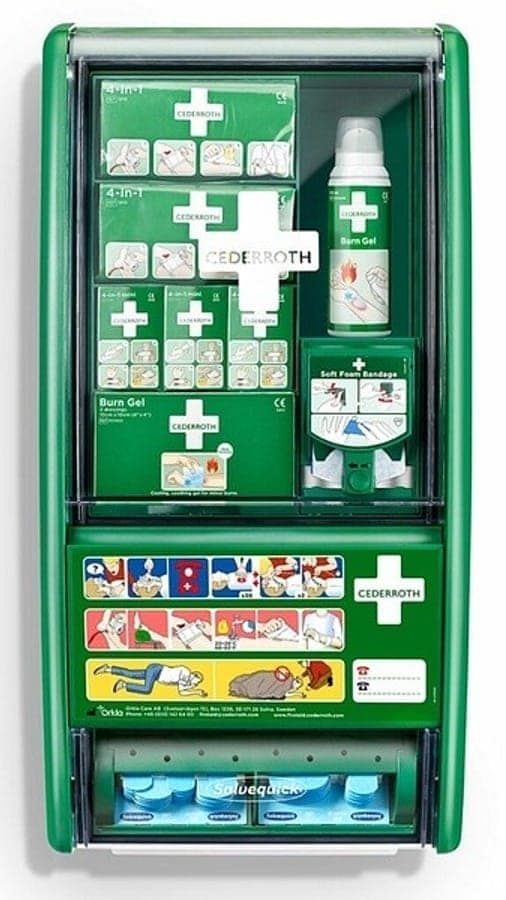
Flame-retardant and antistatic garments, and burn care equipment where it is needed. We set up the range according to the requirements in the contract.
Open Design StudioFacade signs and vehicle graphics on the service fleet, with the same logo as the garments.
See signs and banners



Visible at the base and on board
Hi-vis and flame-retardant garments with the same logo, so the crew looks the same onshore and offshore.
Questions we often get
Which certifications does oil and gas workwear need?
Offshore and in areas with explosion risk you normally need flame-retardant workwear certified to EN ISO 11612 with antistatic properties to EN 1149-5, often combined in the same garment. Which requirements apply to the garments is set by the operator and the risk assessment for the site. We supply certified workwear that covers the requirements in your contract.
Can flame-retardant workwear be branded with a logo?
Yes. On flame-retardant garments both the decoration and the thread must be approved for the garment, such as FR transfers or FR thread. Placement follows the documentation from the manufacturer, and we assess it garment by garment before anything goes into production.
What is antistatic workwear, and when do we need it?
Antistatic workwear certified to EN 1149-5 prevents static electricity from building up and creating sparks. The operator and the risk assessment decide when it is required, and it is common in Ex zones on platforms, refineries and tank facilities. ATEX rules cover the equipment in those zones; for the garments, EN 1149-5 is what counts. If you are unsure which zones apply, we help you choose the right protective equipment.
Can you manage workwear for crews on rotation?
Yes. In our company portal every employee gets a size profile, and you decide who can order what. Reordering approved workwear takes minutes, and the logistics work just as well for onshore bases as for personnel on rotation.
Do you deliver to oil and gas companies across Norway?
Yes, we deliver branded workwear and protective equipment nationwide, from supply bases on the west coast to facilities in the north. Everything is decorated with your logo before dispatch, ready to use on arrival.
We put together a proposal
Send us the requirements from the operator, and you will get a proposal with certified garments, decoration and price.
You usually hear back within 24 hours on weekdays.