
Blog · Products
The best workwear for winter 2026
Which workwear performs best in a Norwegian winter? We go through the layering principle, materials and the properties you should prioritise to stay warm without overheating.
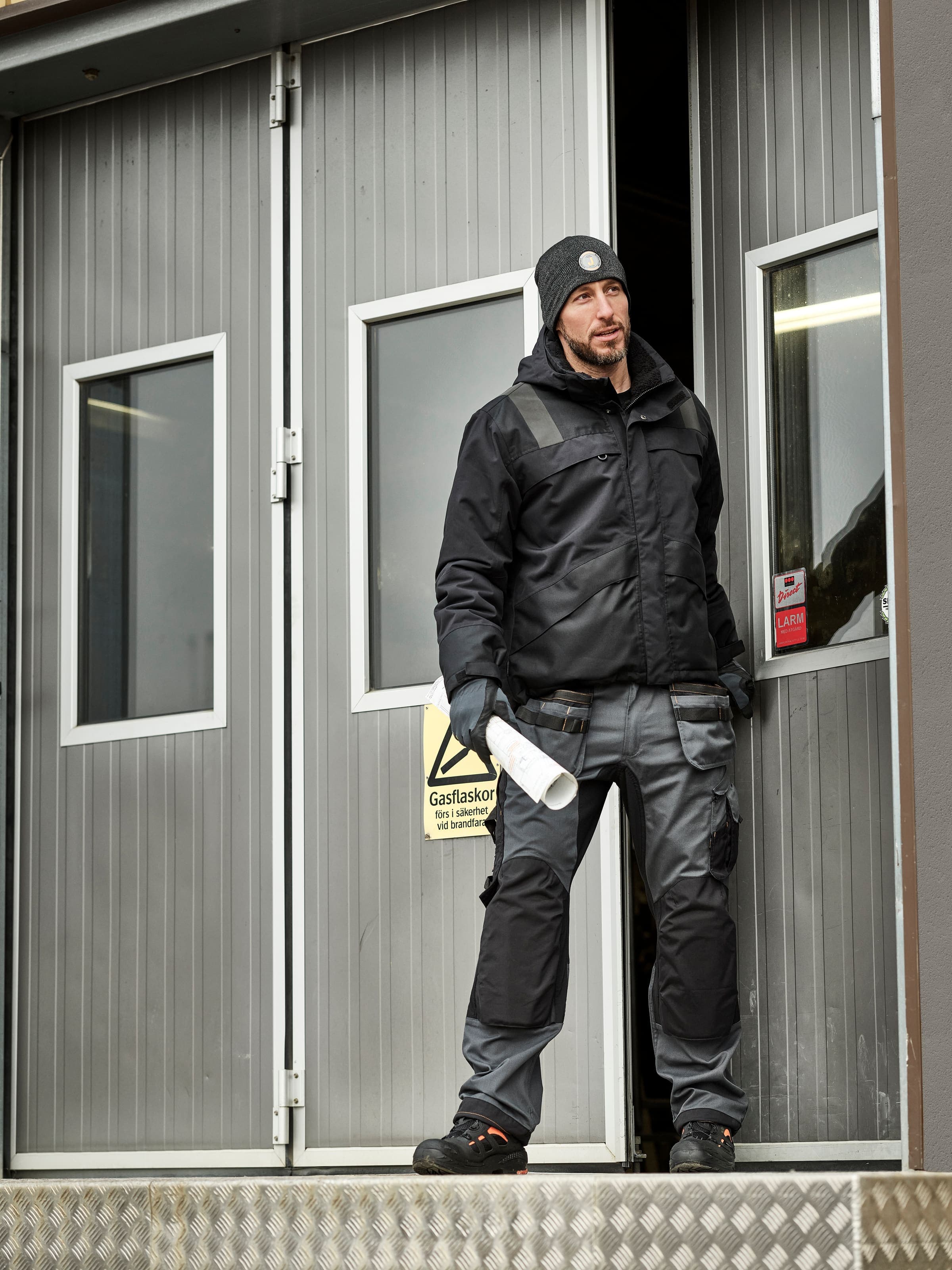
The best workwear for winter is built on the layering principle: a moisture-wicking base layer, an insulating mid layer in fleece or down, and a windproof and waterproof outer layer. Choose garments that breathe so you stay dry during physical work, and prioritise certified visibility if you work outdoors. The right combination keeps you warm without overheating.
A Norwegian winter puts workwear to the test. Cold, wind, snow and damp call for a considered system, not just one thick garment. The most common mistake is dressing too warmly, so you sweat while working and freeze on breaks.
What is the layering principle, and why does it work?
The layering principle is about combining three layers that each have a function. The base layer sits against the skin and wicks sweat away so you stay dry. The mid layer insulates by trapping air, typically in fleece or light down. The outer layer protects against wind and precipitation. The advantage is flexibility: you can add or remove layers according to activity level and temperature, instead of being stuck with one choice all day.
Which base layer should I choose for winter?
The base layer is the most important and most overlooked layer. Choose merino wool or technical synthetic fibres that wick moisture effectively. Avoid cotton against the skin in winter, because cotton soaks up sweat and becomes cold and clammy. A good base layer keeps you dry even during hard work, and that is exactly what decides whether you stay warm on breaks and during stationary work.
Fleece or down as the mid layer?
Both work, but they have different strengths. Fleece breathes very well, dries fast and is robust, which makes it ideal for active work that generates body heat. Down and synthetic insulation give more warmth per weight and suit stationary work or very low temperatures. Many choose a thin fleece for moving work and a thicker insulated jacket for the coldest, calmest days.
What defines a good outer layer?
A good winter outer layer is windproof and waterproof, but breathes enough to let moisture out. Look for sealed seams, adjustable cuffs and zips that seal against the weather. For outdoor work, consider an outer layer with good length that protects the lower back. If you work outdoors in trafficked areas or on a construction site, the outer layer should also be certified high-visibility clothing to EN ISO 20471 in the right class.
Winter outfits for different types of work
A simple overview by type of work: For active outdoor work, for example trades and groundwork, choose a wicking base layer, fleece as the mid layer and a breathable windproof and waterproof shell. For stationary or waiting work, for example security and transport, choose a heavier insulated outer layer with down or synthetic fill. For work that alternates between indoors and outdoors, prioritise layers that are quick to take off and on, so you avoid overheating.
Remember accessories. A beanie, neck warmer, good gloves and warm socks make up a large part of warmth comfort, and cold hands and feet often ruin an otherwise good outfit. Choose accessories in the same quality and colours as the rest of the clothing fleet, and you keep a consistent, professional look.
At Universe Profile we put together complete winter outfits from premium brands, tailored to your industry and working conditions, with branding that withstands winter use and washing according to the care label. Use the Design Studio to see your logo on relevant winter garments, or ask for a quote and we will help you build a winter programme that keeps your team warm and visible.