
Blog · Regulations
What is the difference between workwear and protective equipment?
Workwear and protective equipment are not the same. The difference decides who pays, which standards apply, and how the garments must be maintained. We explain the distinction.
Workwear is clothing you wear at work for comfort, identity and branding, with no specific protective function. Protective equipment, or personal protective equipment (PPE), is certified gear that protects against a specific hazard such as flame, chemicals or poor visibility. PPE must meet EU standards and is paid for by the employer, while ordinary workwear is governed by agreement and policy.
The terms workwear and protective equipment are often used interchangeably, but legally and practically there is a big difference. Understanding the distinction is essential to knowing who holds the responsibility, which requirements apply, and how the garments must be handled. Here we walk through the essentials.
What counts as workwear?
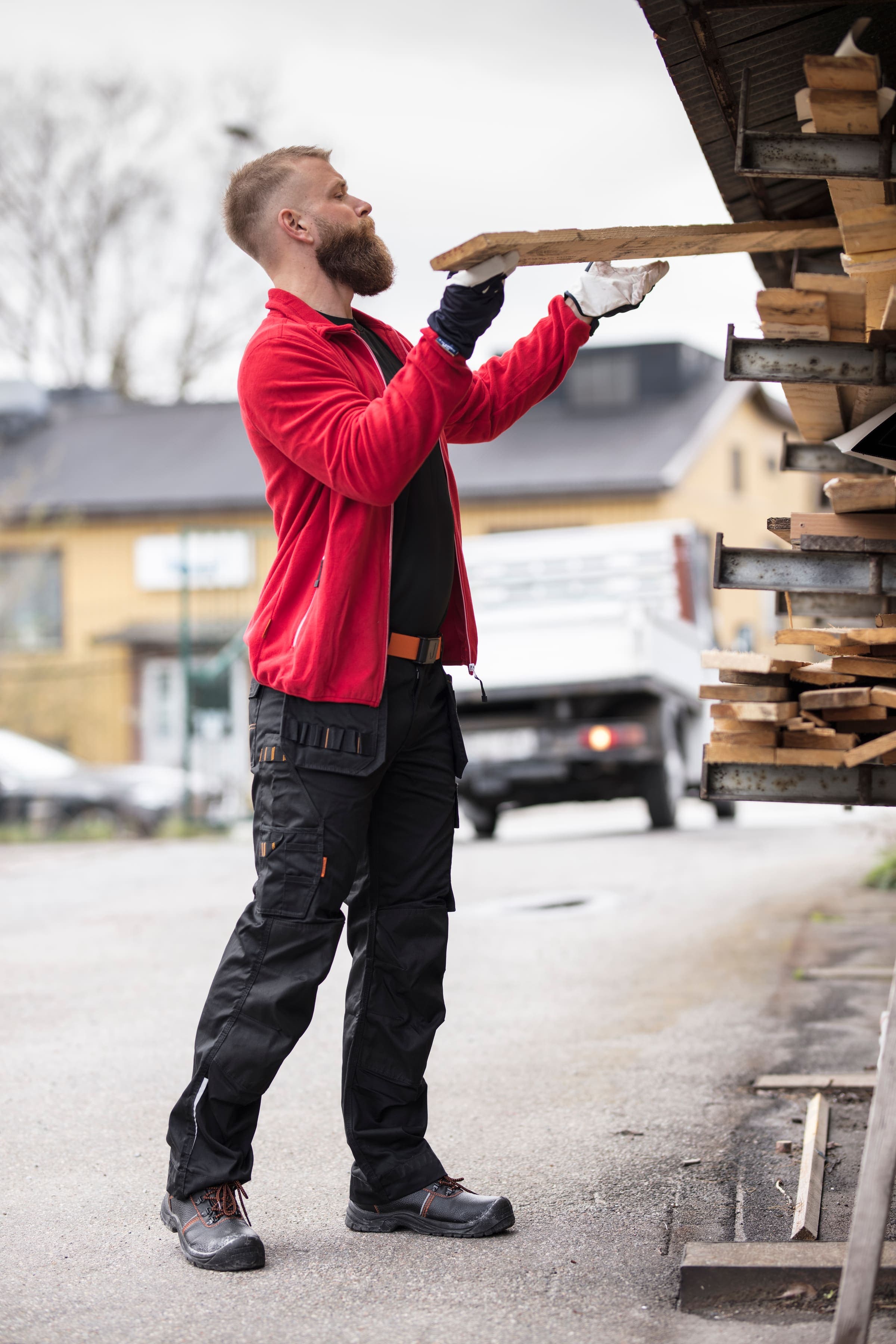
Workwear is clothing worn for work without a certified protective function. It can be a branded polo shirt, work trousers, a sweater or a jacket in the company colours. The main purpose is comfort, durability, a professional look and visible branding. Workwear is not governed by strict safety standards, but quality and fit still matter for both wellbeing and impression.
What counts as protective equipment?
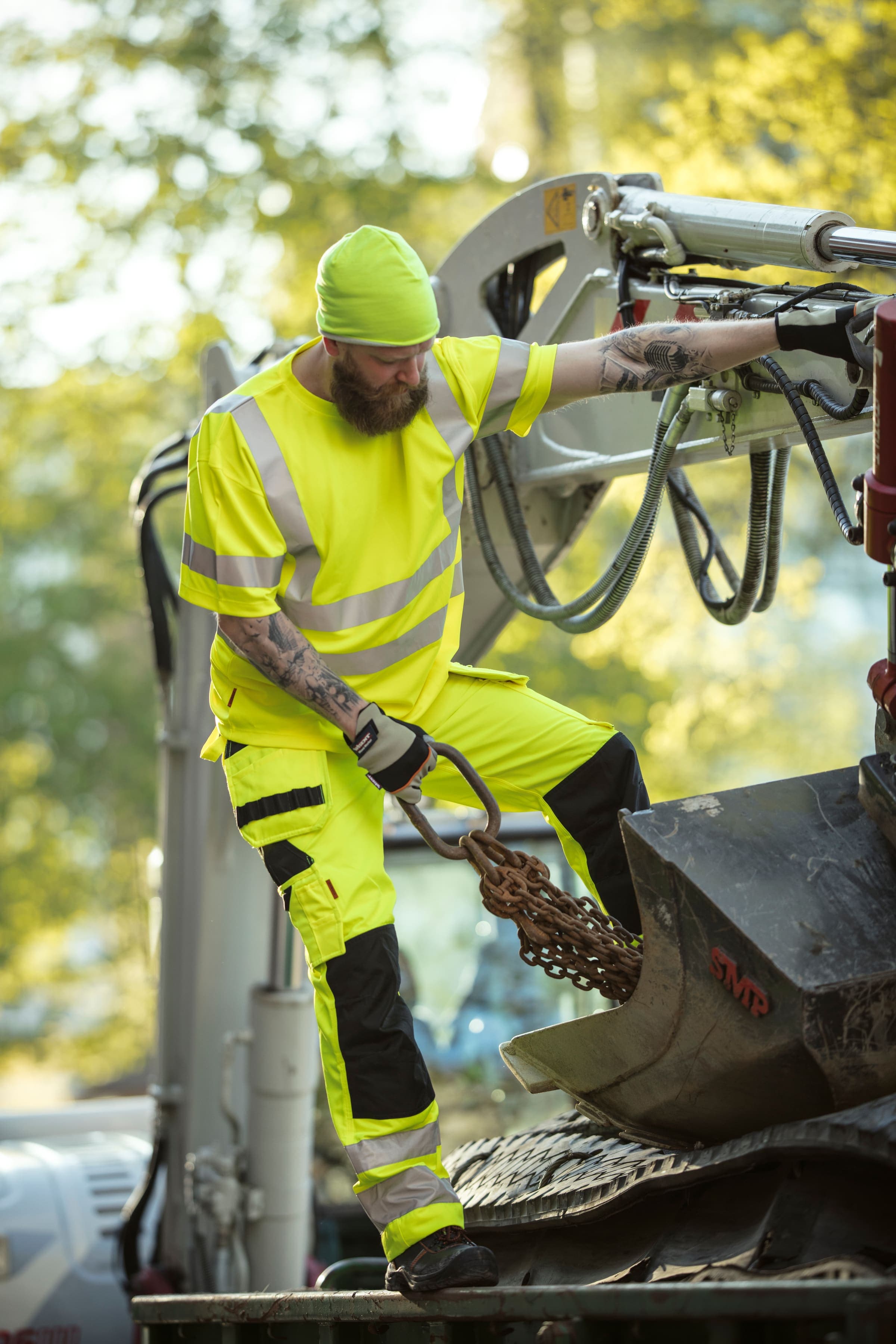
Protective equipment, often abbreviated PPE, is gear that protects the employee against an identified risk. It includes flame-retardant clothing, high-visibility clothing, chemical protection, safety boots, helmets, hearing protection and safety glasses. PPE must be CE-marked and meet the relevant harmonised standards. For clothing the most central are EN ISO 20471 for visibility and EN ISO 11612 for heat and flame. PPE is subject to its own rules for selection, use, inspection and replacement.
Workwear vs. protective equipment: what is the difference?
A direct comparison makes the distinction clear. Purpose: workwear is about comfort and branding, PPE is about protection against a hazard. Standards: workwear has no mandated safety standards, PPE must meet harmonised EN ISO standards and be CE-marked. Payment: workwear is covered by agreement or policy, PPE is always paid for by the employer. Maintenance: workwear is washed per normal instructions, PPE must be maintained so the protection is preserved and inspected regularly. Lifespan: PPE must be replaced when the protection is degraded, not just when the garment looks worn.
Can a garment be both?
Yes, and it is very common. A high-visibility jacket with a company logo is both protective equipment, because it is certified to EN ISO 20471, and branded workwear, because it carries the brand. In such cases the protection requirement applies to the whole garment. That means branding must not reduce the visible reflective or fluorescent area, and the garment must be replaced when the protective function is degraded. This is an area where the right expertise from the supplier is decisive.
Why does the distinction matter in practice?
The distinction determines both economics and safety. Treat PPE as ordinary workwear, and you risk employees using garments with degraded protection, which can have serious consequences and lead to orders from the Labour Inspection Authority. Treat ordinary workwear as if it were PPE, and you can incur unnecessary costs and requirements. A clear categorisation of the clothing fleet is therefore part of good health and safety work.
When you brand protective equipment it is essential that the certification is preserved. A logo can affect whether the garment still meets the standard. That is why we assess placement and branding method against the manufacturer’s documentation before anything goes into production. On flame-retardant garments, both the badge and the thread must be approved for the garment, for example an FR transfer or FR thread. Placement follows the manufacturer’s documentation. On high-visibility clothing, the logo must not cover the fluorescent fabric or the reflective tape beyond what the standard and the manufacturer allow. Embroidery works well on the dark panels and where the manufacturer allows it, and on the fluorescent fabric we use print.
At Universe Profile we know the difference inside out and help you build a clothing fleet that combines the right protective equipment with branded workwear, without compromising safety. Use the Design Studio to see your logo on relevant garments, or ask for a quote and we will advise on the standards that apply to your industry.