
Blog · Regulations
What is flame-retardant workwear? (EN ISO 11612)
What is flame-retardant workwear, and what does EN ISO 11612 mean? We explain how the protection works, the difference between inherent and treated materials, and who needs it.
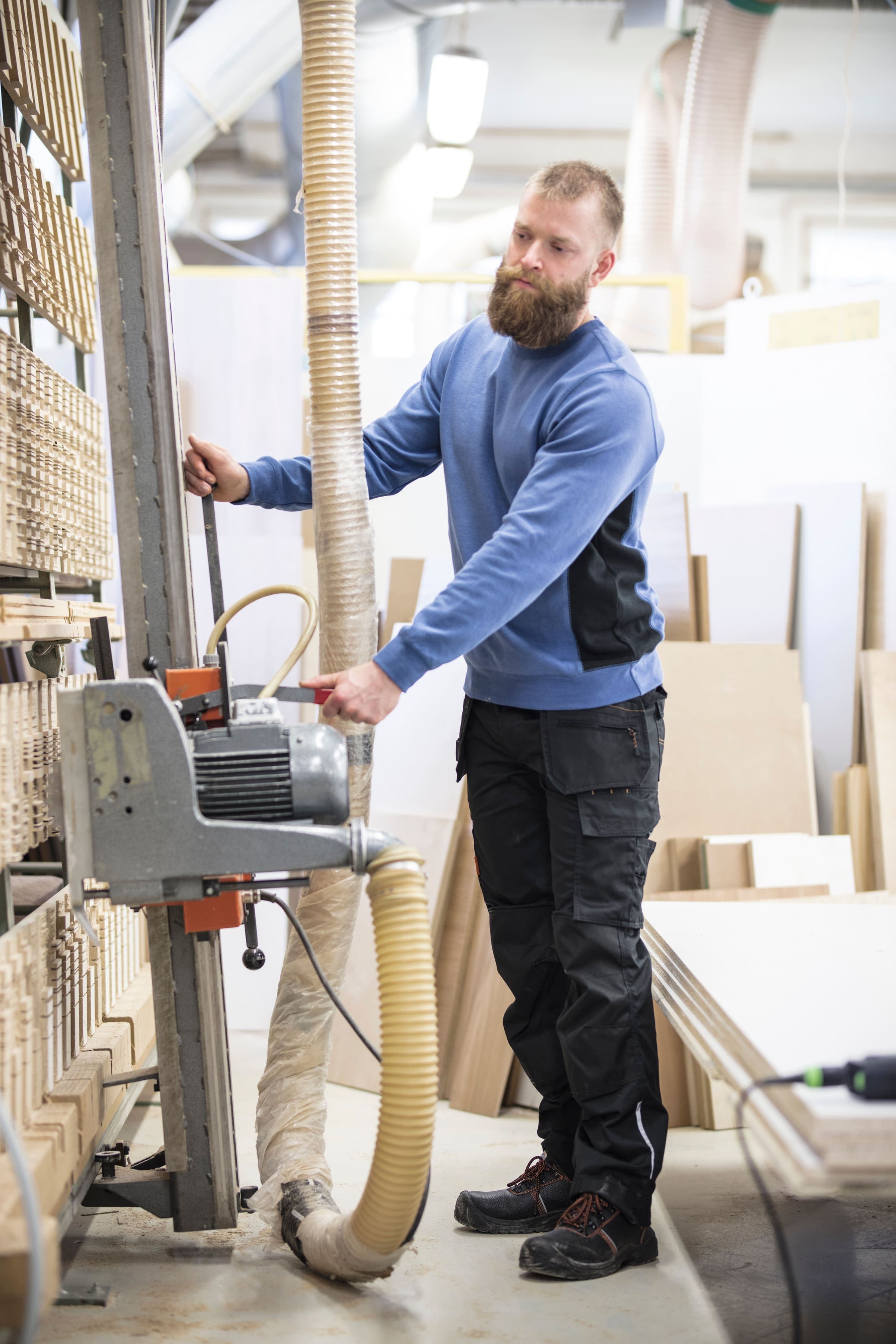
Flame-retardant workwear is protective clothing that resists ignition, does not melt or drip, and self-extinguishes on contact with flame. EN ISO 11612 is the standard that certifies protection against heat and flame. The clothing is used where there is a risk of flames, sparks or radiant heat, for example in industry, welding and oil and gas. Inherently flame-retardant materials keep the protection for the full life of the garment.
Flame-retardant workwear is critical protective equipment in a range of industries. The difference between approved and unapproved clothing can be the difference between a fright and a serious injury. But the terms can be confusing. What does flame-retardant actually mean, and what lies in the EN ISO 11612 standard?
What does flame-retardant workwear mean?
Flame-retardant means the material resists ignition and does not feed a flame. An approved flame-retardant garment does not melt or drip, as ordinary synthetic clothing does, and it self-extinguishes when the flame source is removed. The purpose is to give the wearer valuable seconds to get clear and to reduce the severity of burns. This is fundamentally different from ordinary workwear, which can catch fire and worsen an injury.
What does the EN ISO 11612 standard cover?
EN ISO 11612 is the European standard for protective clothing against heat and flame. It sets requirements for limited flame spread and tests protection against various forms of heat, including convective heat, radiant heat and contact heat, as well as molten metal splash. A garment certified to EN ISO 11612 is marked with codes indicating which properties and levels it meets. The standard is often used together with EN 1149-5 for antistatic properties and EN ISO 20471 for visibility.
Inherent or treated flame retardancy: what is the difference?
There are two main types. Inherently flame-retardant materials have the protection built into the fibre itself, for example aramids and modacrylic blends. These keep their properties for the full life of the garment, regardless of the number of washes. Treated materials are ordinary fabrics with flame-retardant chemicals added, and the protection can weaken over time and with washing. For demanding, long-term use, inherently flame-retardant clothing is generally recommended, because the protection is more robust and predictable.
Who needs flame-retardant workwear?
Flame-retardant clothing is required where the risk assessment shows a danger of flame, sparks, arc flash or radiant heat. Typical uses are welding and hot work, the oil and gas industry, electricians at risk of arc flash, and process and metal industry. In these environments flame-retardant clothing is not optional but necessary protective equipment that the employer must provide free of charge. The level of protection required follows from the risk assessment for the work.
How do I maintain flame-retardant clothing correctly?
Correct washing is essential for the protection to be preserved. Always follow the manufacturer’s washing instructions carefully. Do not use fabric softener or bleach, because these can settle in the fibres and reduce the flame retardancy. Also avoid washing together with heavily soiled ordinary clothing, where oil and grease can draw into the material and become flammable. The garment should be inspected regularly and replaced when worn, damaged or soiled in a way that weakens the protection.
Can flame-retardant clothing be branded with a logo?
Yes, but it requires the right method. On flame-retardant garments, both the badge and the thread must be approved for the garment, for example an FR transfer or FR thread. Placement follows the manufacturer’s documentation. Ordinary thread or ordinary print can create a flammable point on the garment.
At Universe Profile we carry certified flame-retardant workwear to EN ISO 11612 and brand it with badges and thread approved for the garment. We advise on which level your work requires and how the clothing should be maintained. Use the Design Studio to see your logo on relevant garments, or ask for a quote and we will find a solution where your protective clothing both protects and carries the brand.