
Blog · Regulations
Which class of high-visibility clothing do I need? (EN ISO 20471)
Do you need Class 1, 2 or 3 high-visibility clothing? EN ISO 20471 sets the class based on risk and visible material. We explain the classes and help you choose the right one.
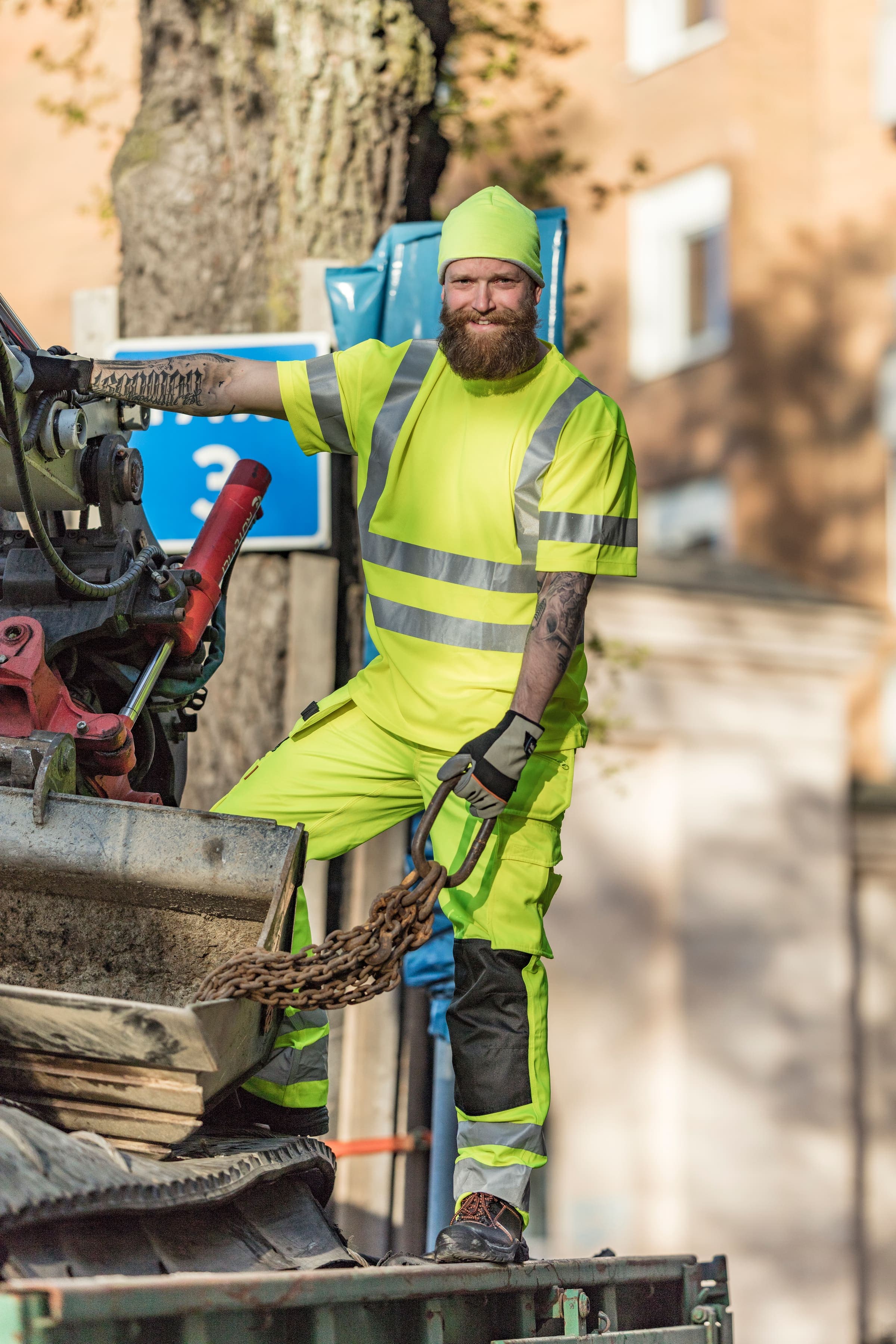
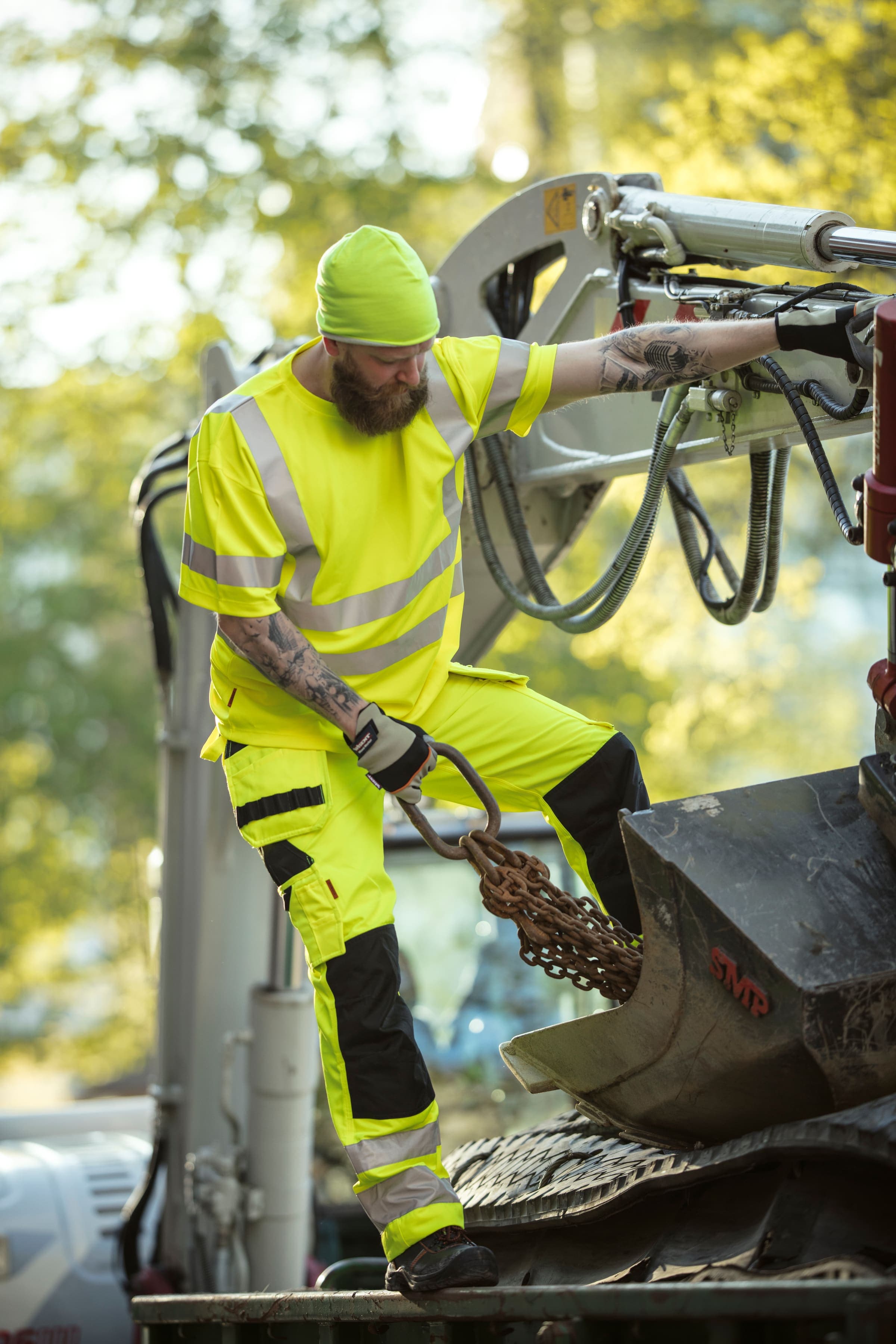
EN ISO 20471 divides high-visibility clothing into three classes based on the amount of fluorescent background and reflective material. Class 1 offers the lowest visibility and is used in low-risk situations, Class 2 is the minimum for most construction activities, and Class 3 offers the highest visibility and is required for work near traffic, vehicles and machinery. Choose the class based on the risk in your working environment.
High-visibility clothing, often called hi-vis, saves lives by making workers clearly visible in traffic, near machinery and in poor light. But not all high-visibility clothing offers the same protection. EN ISO 20471 is the standard that classifies the garments, and it is important to choose the right class for the risk you face.
What do the three classes in EN ISO 20471 mean?
The class is determined by how much fluorescent background material and retroreflective material is visible on the garment. Class 1 has the least material and offers the lowest visibility, intended for low-risk, low-speed areas. Class 2 has more material and covers most construction activities and roadside work at moderate speed. Class 3 has the most material and offers the highest visibility, required for work near fast traffic, heavy vehicles and construction machinery.
Which class do I need for my work?
Choose based on risk. For light work in low-risk areas without vehicles, Class 1 may be sufficient, but this is rarely enough on a construction site. For most construction and groundwork activities, Class 2 is the minimum. For work in trafficked areas, near construction machinery or on high-speed roads, Class 3 is used, and the risk assessment or the client will usually require it. When in doubt, choose a higher class. It is better to be too visible than not visible enough.
How do I achieve Class 3 in practice?
Class 3 can be achieved with a single garment that has enough material, typically a long jacket or coverall, or by combining garments that together meet the requirement. It is important to understand that the class is determined by total visible area. A Class 2 jacket combined with Class 1 trousers does not automatically add up to Class 3. Many manufacturers therefore make outfits certified to reach Class 3 when jacket and trousers are worn together.
What must I watch for in use and maintenance?
Visibility degrades over time. Industrial washing, wear and UV radiation break down both the fluorescent colour and the reflective material. The garment must be replaced when the material is visibly degraded, not just when it looks worn. Follow the washing instructions carefully, because the wrong temperature can ruin the reflective material. A simple test is to shine a light on the reflective tape in a dark room. If it is weak, the garment should be replaced. Remember too that the garment must be closed to provide the certified visibility.
Can I brand high-visibility clothing with a logo?
Yes, but with limits. On high-visibility clothing, the logo must not cover the fluorescent fabric or the reflective tape beyond what the standard and the manufacturer allow. In practice the chest logo is kept within a limited area, and back text is placed so the reflective material stays visible. Embroidery works well on hi-vis, on the dark panels and where the manufacturer allows it. On the fluorescent fabric we use print.
Our advice is to map the risk for each role and choose the class accordingly, and to have routines for regular inspection and replacement. That way employees are always visible, and the company meets the requirements of EN ISO 20471.
At Universe Profile we carry certified high-visibility clothing in every class. A logo can affect whether the garment still meets the standard. That is why we assess placement and branding method against the manufacturer’s documentation before anything goes into production. We advise on which class your industry requires. Use the Design Studio to see your logo on relevant hi-vis garments, or ask for a quote and we will find the right solution for your working environment.